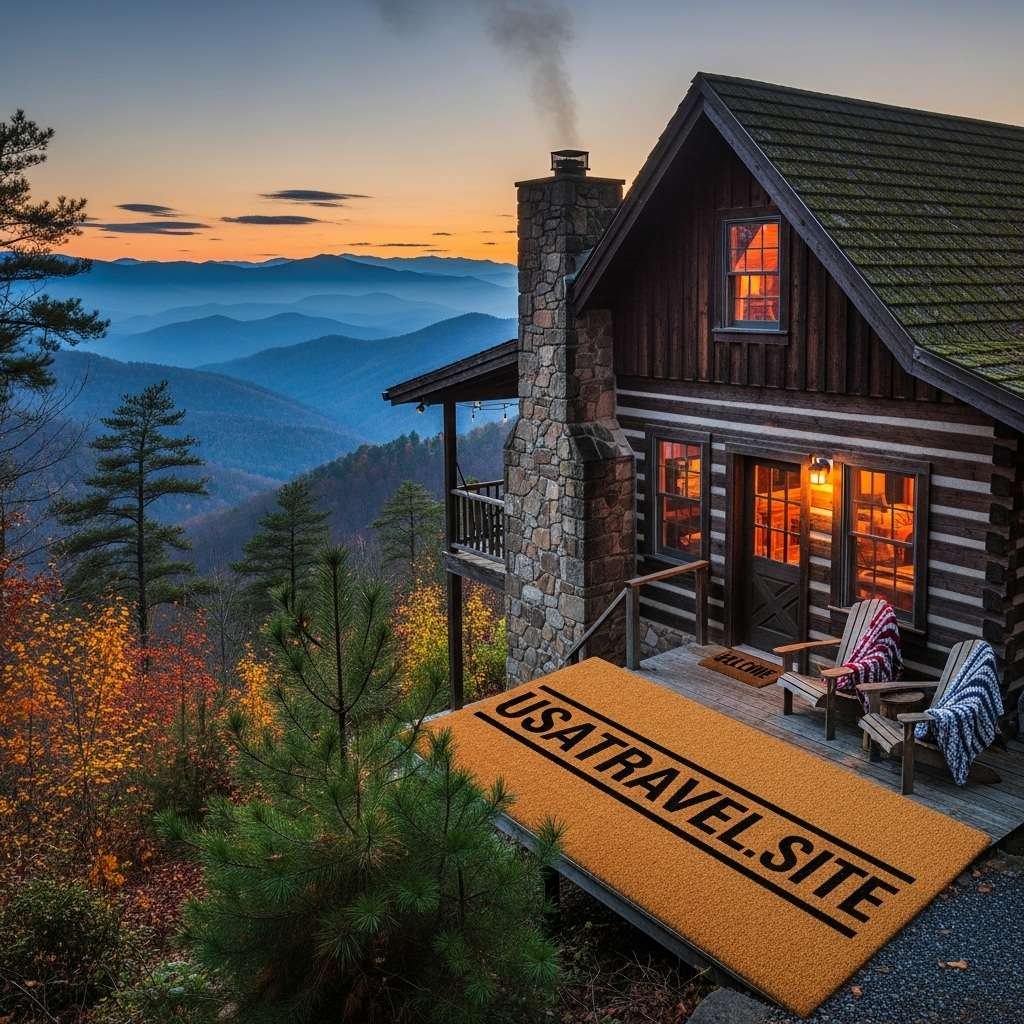
The Great Smoky Mountains National Park is the most visited national park in the United States, known for its misty mountain views, wildlife, waterfalls, and scenic drives. Whether you’re planning a weekend getaway or a week-long vacation, choosing the right place to stay and knowing what to do makes all the difference.
This Great Smoky Mountains travel guide covers the best lodging areas, top attractions, scenic drives, hiking trails, and practical travel tips for your trip.
Table of Contents
Why Visit the Great Smoky Mountains?
Fall colors, wildlife sightings, historic cabins, and easy access from major cities make the Smokies an ideal destination for families, couples, and outdoor enthusiasts.
Highlights
- Free entrance year-round
- Over 800 miles of hiking trails
- Some of the best fall foliage in the USA
- Black bear viewing opportunities
- Scenic mountain drives and waterfalls
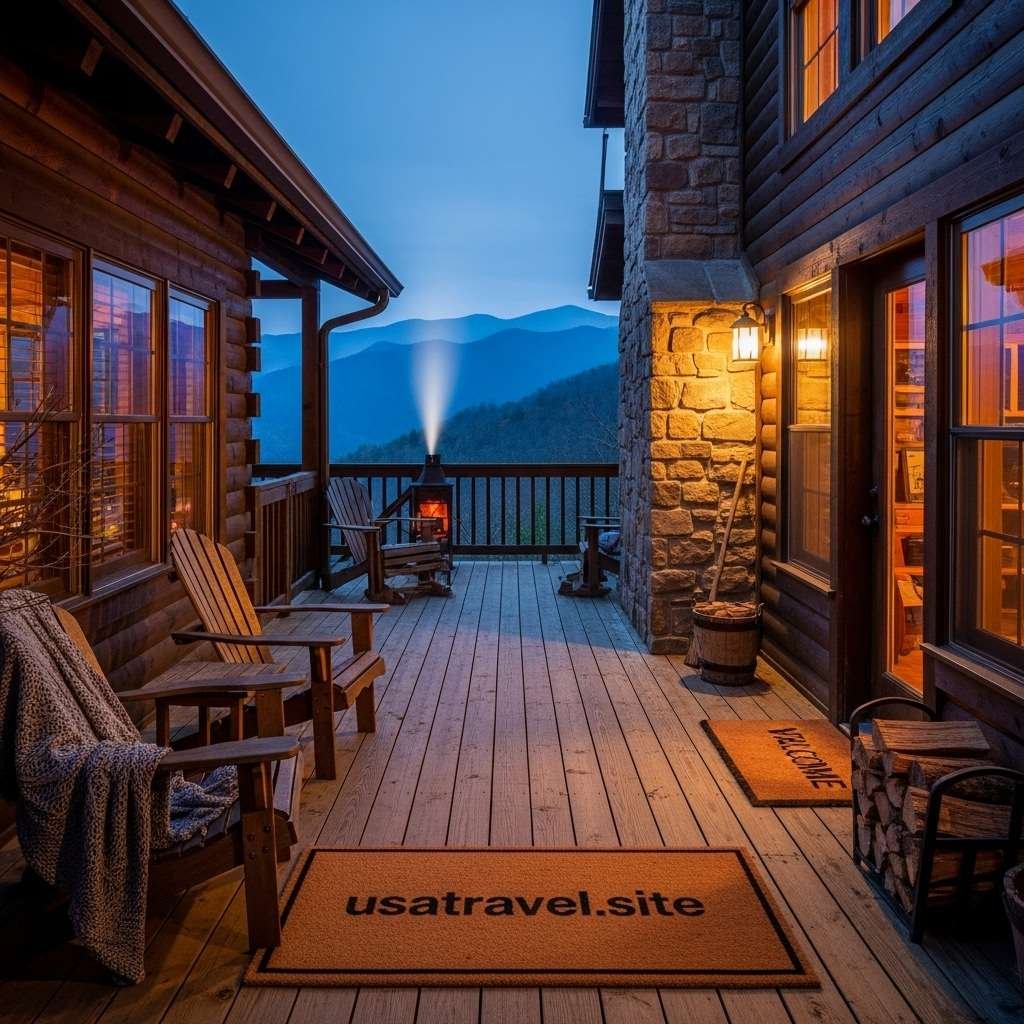
Where to Stay in the Great Smoky Mountains
Choosing the right base helps you make the most of your trip. Here are the best areas to stay depending on your travel style.
Gatlinburg
Best for first-time visitors who want quick access to the park.
Why Stay Here
- Minutes from the main park entrance
- Many hotels, cabins, restaurants, and attractions
Best For
- Families
- First-time visitors
- Travelers wanting walkable attractions
Pigeon Forge
Best for entertainment, theme parks, and budget-friendly lodging.
Why Stay Here
- Home to Dollywood
- Lots of large cabin rentals and family-friendly attractions
Best For
- Families with kids
- Travelers on a budget
Townsend
The quietest and most peaceful gateway to the Smokies.
Why Stay Here
- Less crowded
- Easy access to Cades Cove
Best For
- Nature lovers
- Couples
- Visitors wanting a slow-paced trip
Cherokee (North Carolina Side)
Ideal for exploring the southern region of the park.
Why Stay Here
- Close to the Oconaluftee entrance
- Great access to the Blue Ridge Parkway
Best For
- Travelers exploring both NC and the Smokies
- Cultural attractions and scenic drives
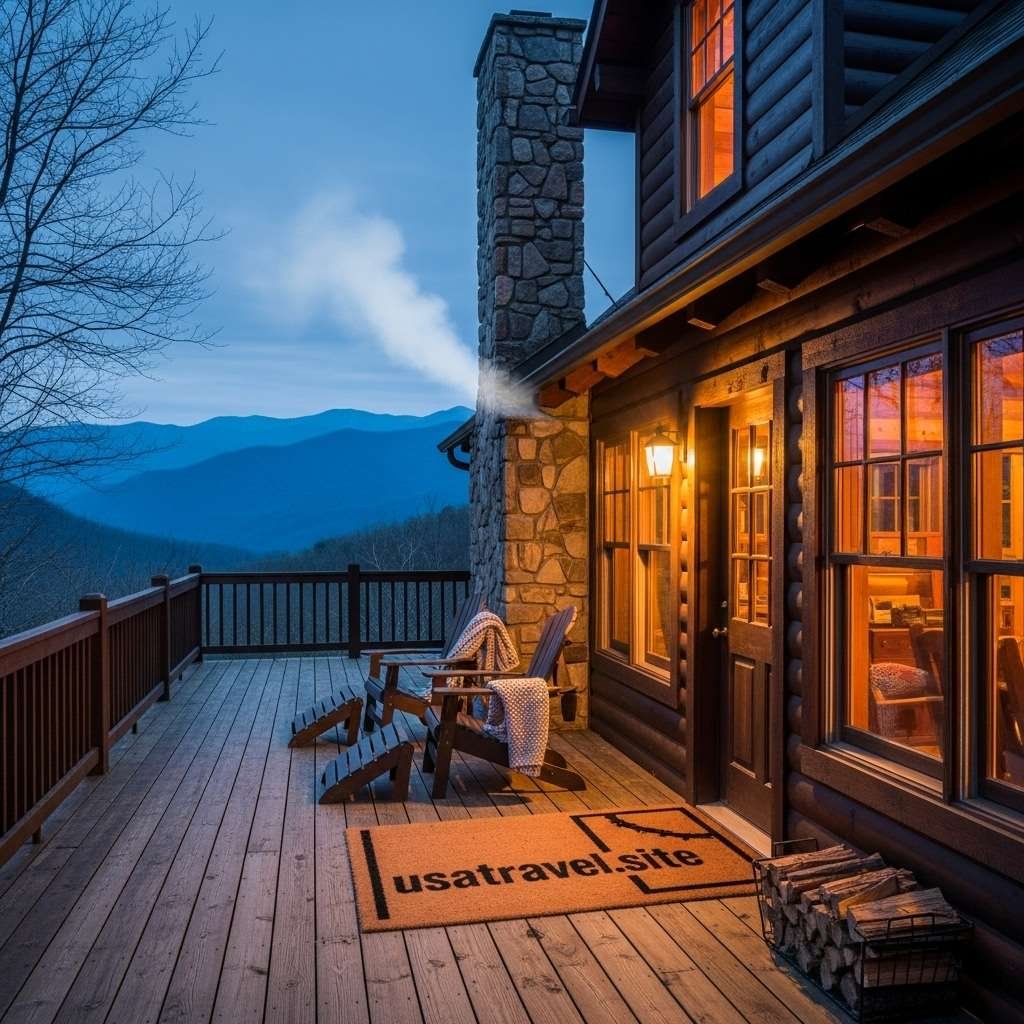
Best Places to Stay: Hotels and Cabins
Below is a helpful comparison table.
| Area | Best For | Lodging Types | Highlights |
|---|---|---|---|
| Gatlinburg | First-time visitors | Hotels, cabins | Walkable, close to park entrance |
| Pigeon Forge | Families | Resorts, cabins | Dollywood, entertainment |
| Townsend | Nature lovers | Small inns, cabins | Quiet and peaceful |
| Cherokee | Scenic drives | Hotels, lodges | Blue Ridge Parkway access |
What to Do in the Great Smoky Mountains
The park offers endless activities from scenic drives to waterfall hikes and wildlife viewing.
Top Attractions in the Smoky Mountains
Cades Cove
One of the best places to spot black bears, deer, and historic cabins.
Highlights
- 11-mile scenic loop
- Great for biking and wildlife photography
Clingmans Dome
The highest point in the park with panoramic views.
What to Expect
- Short but steep paved walk
- Ideal for sunrise or sunset
Roaring Fork Motor Nature Trail
A scenic drive through old-growth forests.
Highlights
- Waterfalls
- Historic log cabins
- Easy pull-offs
Newfound Gap
One of the most iconic overlooks in the Smokies.
Best For
- Scenic sunrise views
- Photography
Best Hikes in the Great Smoky Mountains
Below are some of the most popular and accessible hikes.
| Trail | Distance | Difficulty | Highlights |
|---|---|---|---|
| Laurel Falls | 2.6 miles | Easy | Family-friendly waterfall |
| Alum Cave Trail | 5 miles | Moderate | Cliffs, views, forest |
| Abrams Falls | 5 miles | Moderate | Powerful waterfall |
| Chimney Tops | 3.3 miles | Hard | Steep climb, great views |
| Charlies Bunion | 8 miles | Hard | Dramatic ridge views |
Scenic Drives You Shouldn’t Miss
Blue Ridge Parkway Entrance (Near Cherokee)
A must-do for fall colors and scenic overlooks.
Foothills Parkway
One of the best sunset drives in the Smoky Mountains.
Little River Road
Connects Gatlinburg and Cades Cove with beautiful riverside views.
Wildlife in the Great Smoky Mountains
The park is famous for its wildlife diversity, especially black bears.
Common Wildlife Sightings
- Black bears
- White-tailed deer
- Wild turkeys
- Elk (near Cherokee)
Safety Tips
- Stay at least 50 yards away from wildlife
- Never feed animals
- Keep food secured in cabins or campsites
Best Time to Visit the Great Smoky Mountains
Spring
Wildflowers and mild temperatures.
Summer
Best for family vacations and water activities.
Fall
Peak foliage, cooler temperatures, and excellent hiking.
Winter
Quiet, peaceful, and great for photography.
3-Day Great Smoky Mountains Itinerary
Day 1: Gatlinburg and Scenic Areas
- Visit Sugarlands Visitor Center
- Drive Newfound Gap Road
- Sunset at Clingmans Dome
Day 2: Cades Cove and Waterfalls
- Explore Cades Cove Loop
- Hike Abrams Falls
- Dinner in Townsend
Day 3: Trails and Views
- Hike Alum Cave Trail
- Drive the Roaring Fork Motor Nature Trail
- Visit downtown Gatlinburg
Final Tips for Your Trip
What to Pack
- Comfortable hiking shoes
- Rain jacket
- Camera for wildlife and scenic views
- Reusable water bottle
Practical Tips
- Avoid peak times for Cades Cove to reduce traffic
- Start hikes early
- Check weather and road conditions daily
Final Thoughts
The Great Smoky Mountains offer endless natural beauty, from misty mountain views to historic cabins and wildlife encounters. Whether you want adventure, relaxation, or a family-friendly getaway, this Great Smoky Mountains travel guide provides everything you need to plan the perfect vacation.